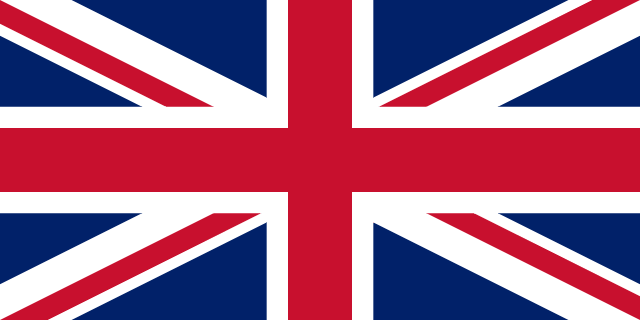

United Kingdom
United Kingdom of Great Britain and Northern Ireland
Europe
70,104,058
07:13 UTC+0
+44
.uk
Ben Nevis
1,345 m · 4,413 ft
The Fens
-4 m · -13 ft
9,129,706
London · 2026
14,235,557
London · 2026
Location
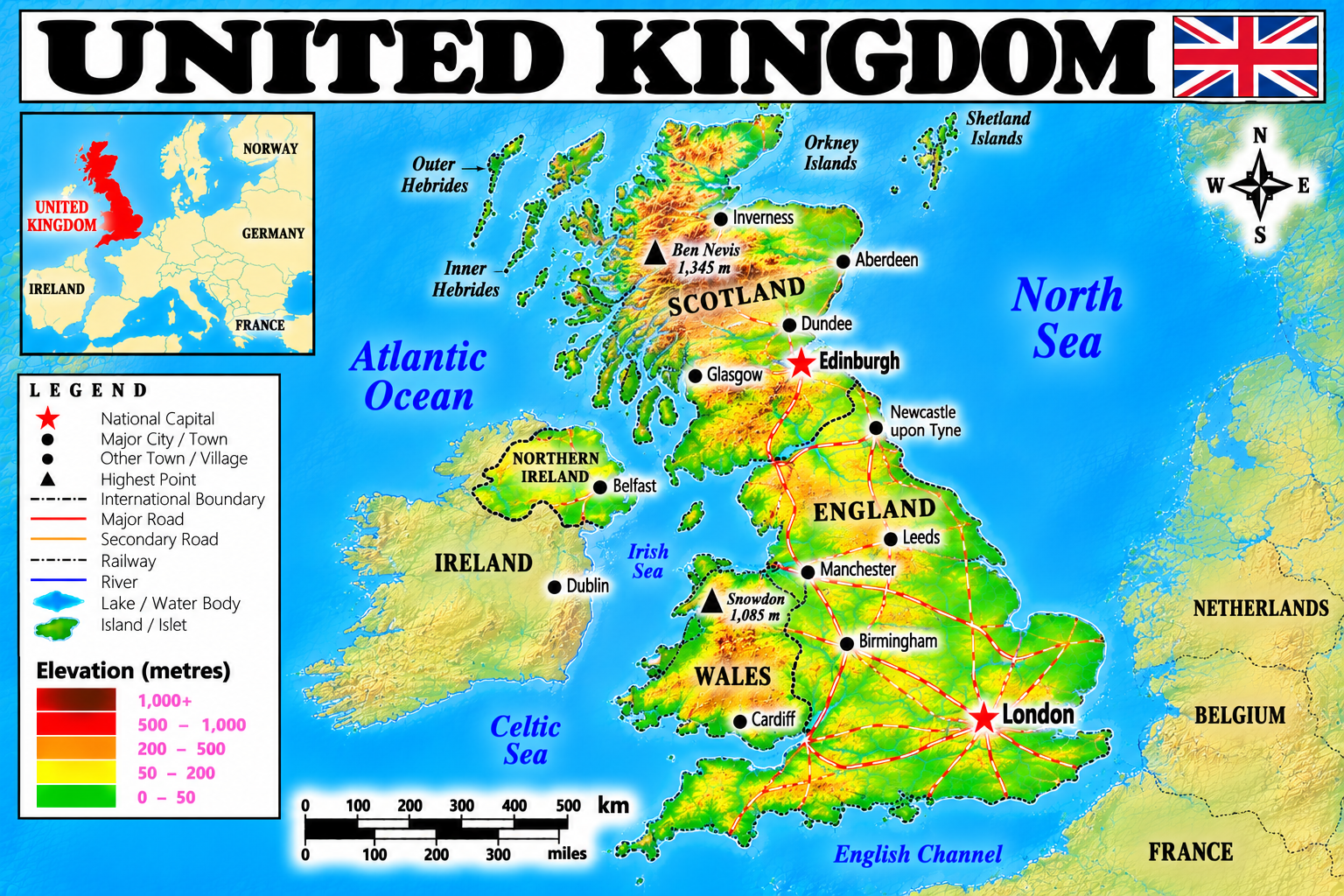
United Kingdom — Detailed Physical Map
Scotland's Highlands and Ben Nevis, Snowdonia, the Lake District, the Home Counties, major cities and the capital London
Tourist Attractions
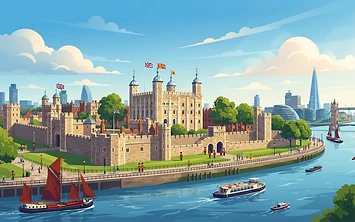
A historic castle and fortress on the north bank of the River Thames that has served as a royal palace, prison, and armory. It is famously home to the Crown Jewels and protected by the Yeoman Warders.
Do not miss the chance to see the dazzling Crown Jewels and hear the stories of the Yeoman Warders.
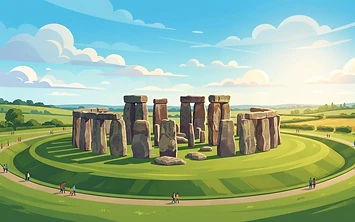
A world-famous prehistoric monument consisting of a ring of massive standing stones set within earthworks. It dates back to the Neolithic and Bronze Ages and remains one of the most iconic archaeological sites in the world.
Witness the architectural mystery of these ancient stones that have stood for thousands of years.


A world-renowned institution dedicated to human history, art, and culture. Its vast collection includes millions of works, such as the Rosetta Stone and the Elgin Marbles.
Explore the Rosetta Stone, a key artifact that unlocked the secrets of Egyptian hieroglyphs.

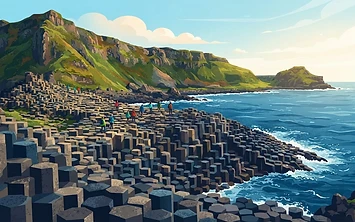
A spectacular area of about 40,000 interlocking basalt columns resulting from an ancient volcanic fissure eruption. It is a UNESCO World Heritage site known for its dramatic coastal scenery.
Walk across the unique hexagonal stone columns that create a natural staircase into the sea.

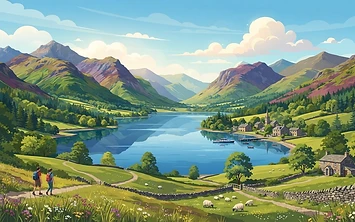
A mountainous region in North West England famous for its glacial ribbon lakes and rugged fell mountains. It has long inspired poets and writers with its breathtaking natural beauty.
Enjoy a boat cruise on Lake Windermere for the best views of the surrounding peaks.

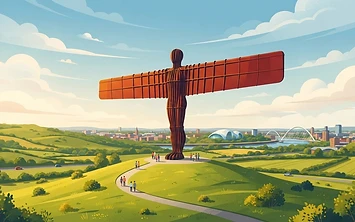
A massive contemporary steel sculpture designed by Sir Antony Gormley that stands 20 meters tall. It has become a symbol of the North East of England and represents the region's industrial heritage.
Marvel at the sheer scale of this iconic sculpture and its impressive 54-meter wingspan.
Geography
Nature
Ben Nevis
1,345 m / 4,413 ft
13.2% of land
≈ 32,157 km² of forest
FAO / World Bank, forest area (% of land area)
Explore the Nature Atlas354 km220 mi
Britain's longest river, rising in the Welsh Cambrian Mountains.
346 km215 mi
Flows through London and is the deepest river in the United Kingdom.
297 km185 mi
Forms a significant portion of the boundary of the ancient Danelaw.
71 km²27 sq mi · 190 m deep
Largest surface area of any freshwater lake in the United Kingdom.
56 km²22 sq mi · 230 m deep
Contains more fresh water than all lakes in England and Wales combined.
15 km²6 sq mi · 67 m deep
Largest natural lake in England located within the Lake District National Park.
200 m656 ft
Highest waterfall in the United Kingdom found in the Sutherland region of Scotland.
73 m240 ft
Tallest single-drop waterfall in Wales situated in the Berwyn Mountains.
River lengths are whole-river figures, including any section beyond United Kingdom. Researched reference figures. Tap any name for where its name comes from and a Google Maps link.
Major Cities
- 1Capital
London, City of
11,039,1112026
MapServes as the capital city of the United Kingdom and a global financial center.
- 2
Manchester
2,890,5482026
MapPlayed a pivotal role in the Industrial Revolution as the world's first industrial city.
- 3
Birmingham
2,715,7362026
MapFunctions as a major industrial hub historically recognized as the workshop of the world.
- 4
Leeds
1,953,4922026
MapOperates as a significant commercial and financial center located in West Yorkshire.
- 5
Glasgow City
1,073,2312026
MapStands as the largest city in Scotland and a historic center for shipbuilding on the River Clyde.
- 6
Liverpool
937,5982026
MapGained international fame as the historic birthplace of The Beatles and a major maritime port.
- 7
Southampton
928,0862026
MapActs as the country's primary cruise shipping port and was the departure point for the Titanic.
- 8
Nottingham
793,6192026
MapRemains famously associated with the legend of Robin Hood and his Sherwood Forest adventures.
- 9
Sheffield
730,1322026
MapAchieved worldwide renown for its historic steel production and industrial manufacturing heritage.
- 10
Bristol, City of
721,1352026
MapFeatures the iconic Clifton Suspension Bridge designed by Isambard Kingdom Brunel.
- 11
Leicester
455,1452026
MapHouses the burial site of King Richard III beneath a city center car park.
- 12
Portsmouth
252,8582026
MapHosts the historic Royal Navy dockyard and preserves the famous flagship HMS Victory.
City populations are the latest official, UN or national-statistics estimates (2024–2024) compounded to 2026 at 0.57% a year (the nation's annual population growth rate); figures without a published update come from the open cities database (2020-era estimates) and are projected the same way.
Economy
Main exports
United Kingdom's leading export commodities and products.
Tap any export to learn more. Spot prices in USD only for Live Data subscribers.
Main imports
United Kingdom's leading import commodities and products.
Tap any import to learn more.
Military
Historical Timeline
8000 BCE
Arrival of Mesolithic Hunter-Gatherers
After the end of the last glacial period, nomadic groups arrived in the British Isles via the land bridge known as Doggerland. These groups were the earliest inhabitants of the region.
1066
The Norman Conquest
William the Conqueror defeated King Harold II at the Battle of Hastings, fundamentally altering the English monarchy, language, and social structure. This event initiated the integration of Britain into the cultural and political sphere of continental Europe.
1215
Signing of the Magna Carta
King John signed this historic charter at Runnymede to appease rebellious barons. It established the principle that the monarch is subject to the rule of law and provided the foundation for constitutional governance.
1534
The English Reformation
The Act of Supremacy declared King Henry VIII the Supreme Head of the Church of England, severing formal ties with the Roman Catholic Church. This shifted the religious and political landscape of the nation permanently.
1707
Acts of Union
The Acts of Union passed by the Scottish and English parliaments unified the two kingdoms into a single sovereign state known as Great Britain. This established a single parliament in Westminster.
1760
The Industrial Revolution Begins
Britain began a period of rapid industrialization driven by technological innovations in steam power, coal mining, and textile manufacturing. This transition transformed the nation into the world's leading industrial and economic power.
1918
Representation of the People Act
This landmark legislation granted the vote to women over the age of 30 who met property qualifications and to all men over 21. It marked a major expansion of democratic suffrage in the United Kingdom.
1945
Establishment of the Welfare State
Following the conclusion of the Second World War, the government implemented major social reforms including the creation of the National Health Service. This provided universal, state-funded healthcare to all citizens for the first time.
2020
The United Kingdom Withdraws from the European Union
Following a national referendum in 2016, the United Kingdom formally exited the European Union. This ended decades of economic and political integration with the European bloc.
2022
Accession of King Charles III
Following the death of Queen Elizabeth II, who reigned for 70 years, King Charles III ascended to the British throne. His accession marked the end of the longest reign in British history.
2024
Election of Keir Starmer as Prime Minister
The Labour Party won a significant parliamentary majority in the general election, resulting in Keir Starmer becoming Prime Minister. This ended 14 years of Conservative Party government.
2025
Ratification of Major Trade Agreements
The United Kingdom completed the formal entry into the Comprehensive and Progressive Agreement for Trans-Pacific Partnership. This milestone represents a strategic shift in the nation's post-Brexit global economic policy.
2026
Andy Burnham becomes Prime Minister
Andy Burnham replaced Keir Starmer as Prime Minister on 20 July 2026, becoming the seventh person to hold the office in a decade. He entered Downing Street with a devolution-first agenda for England's regions.
National Anthem
Unknown
Unknown
1745
God save our gracious King! Long live our noble King! God save the King! Send him victorious, Happy and glorious, Long to reign over us: God save the King.
God Save the King is the national anthem of the United Kingdom and is used as a royal anthem by many Commonwealth realms. The origins of the melody and lyrics are obscure, with no single definitive author or composer identified. It first gained widespread popularity in 1745 following a public performance in London to support King George II after his defeat at the Battle of Prestonpans. While there is no formal law adopting it as the national anthem, it has achieved its status through long-standing tradition and usage. The lyrics change between 'King' and 'Queen' depending on the gender of the reigning monarch. Historically, various verses were added or modified over time, including versions with anti-Jacobite sentiments, but the single verse provided is the standard version sung on official occasions. The anthem remains a central symbol of British national identity and monarchical authority.
National Holidays
This holiday marks the beginning of the new calendar year according to the Gregorian calendar.
This day commemorates the crucifixion of Jesus Christ and his death at Calvary.
Observed the day after Easter Sunday, it commemorates the resurrection of Jesus Christ in the Christian tradition.
This is a public holiday traditionally associated with spring festivals and the celebration of the changing seasons.
Originally established as Whitsun, this bank holiday is observed to provide a break at the end of the month.
This holiday celebrates the birth of Jesus Christ and is a major cultural and religious observance in the United Kingdom.
Good News Today
New biodiversity net gain requirements for major infrastructure projects
Developers of nationally significant infrastructure projects in England must now ensure a 10% net gain in biodiversity. This initiative aims to restore habitats and create thriving corridors for wildlife.
Fun Facts
More Castles Than People
While an exaggeration, the UK contains thousands of historic castles and ruins, with over 600 in Wales alone.
The Queen's Swan Ownership
Under a tradition dating back to the 12th century, the reigning monarch technically owns all unmarked mute swans in open water.
Oldest Underground Rail System
London's 'The Tube' opened in 1863, making it the oldest underground passenger railway system in the world.
The First Adhesive Stamp
The United Kingdom issued the Penny Black in 1840, which was the world's first adhesive postage stamp.
England's Unusual Legal Requirement
It is technically illegal to die inside the Houses of Parliament, a strange law originating from its status as a royal palace.
Birthplace Of Modern Football
The rules for modern association football were first standardized in a London tavern in 1863.
Nation Of Tea Drinkers
The British consume over 160 million cups of tea every single day, cementing it as the nation's favorite beverage.
Shortest Flight On Earth
The flight from Westray to Papa Westray in Scotland lasts roughly 90 seconds, making it the shortest scheduled commercial flight in the world.
Shakespeare's Creative Legacy
William Shakespeare is credited with inventing or popularizing over 1,700 words in the English language that are still used today.
Greenwich Mean Time Center
The Prime Meridian, which dictates the world's time zones, runs through the Royal Observatory in Greenwich, London.
Chuckies Trivia Quiz
Chuckies Trivia Quiz
Fifteen questions on United Kingdom — five easy, five medium, five hard. How far can you get?
Sports & Live Events
Language
Counting to 10
1
1
= 10 (n = 0)
World Dictionary
Discover and translate any word into all supported languages.