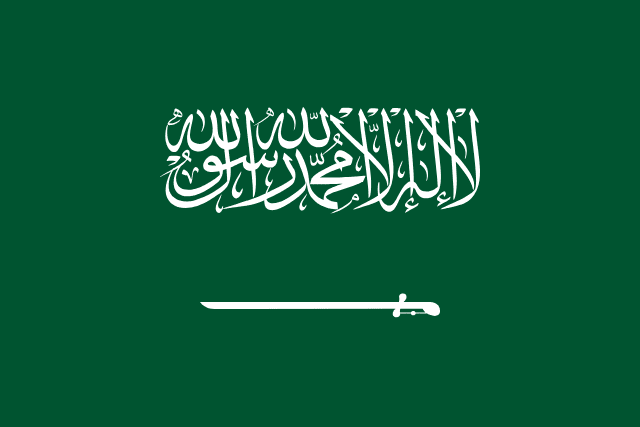

Saudi Arabia
Kingdom of Saudi Arabia
Asia
38,341,432
07:16 UTC+3
+966
.sa
Jabal Sawda
3,000 m · 9,843 ft
Persian Gulf
0 m · 0 ft
8,049,475
Riyadh · 2026
8,049,475
Riyadh · 2026
Location
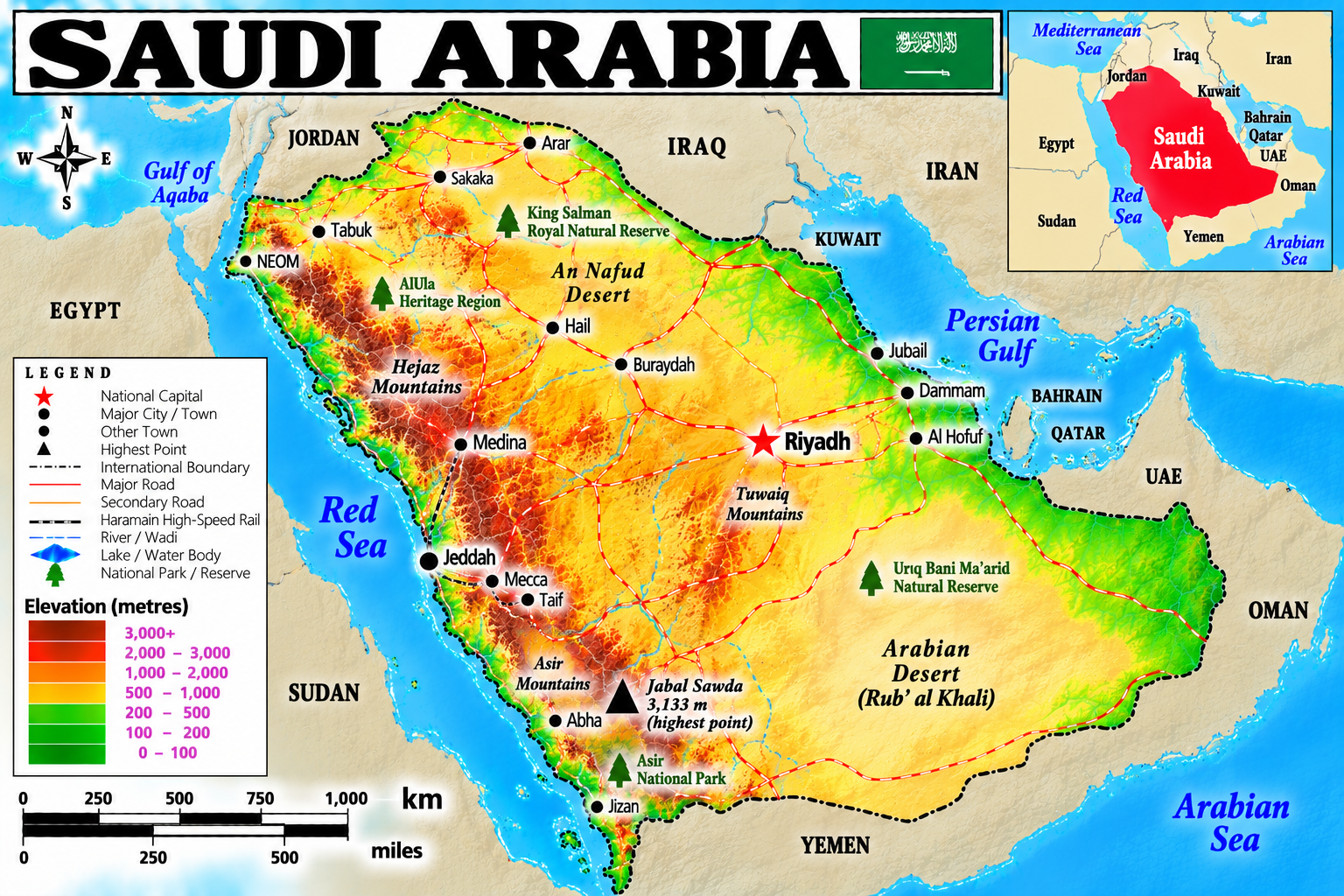
Saudi Arabia — Detailed Physical Map
An Nafud and Rub' al Khali deserts, the Hejaz and Asir mountains, Jabal Sawda, the Red Sea and Persian Gulf coasts, major cities and the capital Riyadh
Tourist Attractions
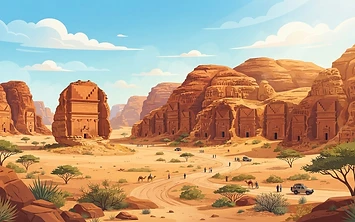
As Saudi Arabia's first UNESCO World Heritage site, this ancient Nabatean city features over 100 remarkably preserved rock-cut tombs carved into sandstone cliffs.
The intricate craftsmanship of the monumental tombs offers a rare glimpse into a civilization dating back to the 1st century CE.
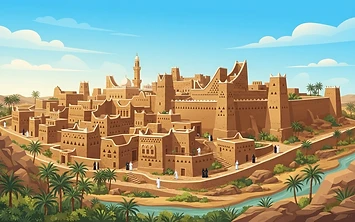
Known as the birthplace of the Saudi Kingdom, this UNESCO-listed site features the restored mud-brick district of At-Turaif.
Walking through the historic alleyways provides an immersive look into the origins and architectural heritage of the Al Saud dynasty.

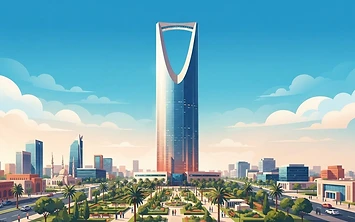
This iconic skyscraper defines the modern Riyadh skyline and features a unique Sky Bridge observatory on its 99th floor.
The Sky Bridge offers unparalleled panoramic views of the sprawling capital city from a height of 300 meters.

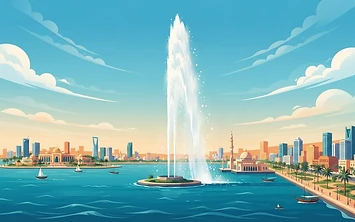
Located on the Red Sea coast, this is the world's tallest fountain, shooting water up to 312 meters into the air.
The fountain is a spectacular sight to behold, especially when illuminated against the night sky over the Red Sea.

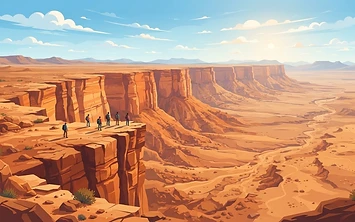
Part of the Tuwaiq Escarpment, this natural wonder consists of dramatic 300-meter high cliffs that overlook a vast, ancient desert plain.
The sheer scale of the cliffs provides a breathtaking, rugged landscape that feels like the edge of the earth.

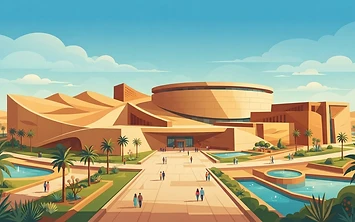
This premier cultural institution uses interactive exhibits to showcase the history, Islamic heritage, and development of the Arabian Peninsula.
It is the best place to gain a comprehensive understanding of the Kingdom's rich history and cultural evolution.
Geography
Nature
Jabal Sawda
3,000 m / 9,843 ft
0.5% of land
≈ 10,748 km² of forest
FAO / World Bank, forest area (% of land area)
Explore the Nature Atlas20 km²8 sq mi
Located in the Al-Hasa Oasis and surrounded by expansive sand dunes.
River lengths are whole-river figures, including any section beyond Saudi Arabia. Researched reference figures. Tap any name for where its name comes from and a Google Maps link.
Major Cities
- 1Capital
Ar Riyāḑ
7,623,9862026
MapServes as the political and administrative capital of Saudi Arabia and its largest financial hub.
- 2
Makkah al Mukarramah
4,697,0002026
MapFunctions as the principal gateway to the holy cities and a historic commercial center on the Red Sea.
- 3
Makkah al Mukarramah
2,427,9242026
MapHouses the Masjid al-Haram, the holiest site in Islam and destination for the annual Hajj pilgrimage.
- 4
Al Madīnah al Munawwarah
1,411,5992026
MapHosts the Prophet's Mosque and serves as the burial place of the Prophet Muhammad.
- 5
Ash Sharqīyah
903,0002026
MapActs as the administrative capital of the Eastern Province and a major center for the petroleum industry.
- 6
Tabūk
886,0362026
MapSituated in the northwest, it is a significant agricultural region known for extensive fruit production.
- 7
Ash Sharqīyah
754,1032026
MapContains the historic Al-Ahsa Oasis, which is recognized as a UNESCO World Heritage site.
- 8
Ar Riyāḑ
650,1672026
MapServes as a historical settlement known for its traditional architecture and local agricultural trade.
- 9
Ash Sharqīyah
625,0922026
MapTraces its history back thousands of years as a major coastal center for pearl diving and fishing.
- 10
Ash Sharqīyah
389,9932026
MapStrategically located at the intersection of major trade routes and home to King Khalid Military City.
- 11
Al Qaşīm
346,6232026
MapFunctions as a prominent agricultural hub famous for hosting one of the world's largest date markets.
- 12
Makkah al Mukarramah
136,9862026
MapRenowned for its pleasant mountain climate and extensive rose farms producing high-quality essential oils.
City populations are the latest official, UN or national-statistics estimates (2026–2026) compounded to 2026 at 1.5% a year (the nation's annual population growth rate); figures without a published update come from the open cities database (2020-era estimates) and are projected the same way.
Economy
Main exports
Saudi Arabia's leading export commodities and products.
Tap any export to learn more. Spot prices in USD only for Live Data subscribers.
Main imports
Saudi Arabia's leading import commodities and products.
Tap any import to learn more.
Military
Historical Timeline
80000 BCE
Early Human Migration
Archaeological evidence, including findings at Jebel Faya, suggests that early humans migrated into the Arabian Peninsula as one of the first regions settled outside Africa.
622
The Hijra of Prophet Muhammad
Prophet Muhammad migrated from Mecca to Medina, marking the beginning of the Islamic calendar and the consolidation of early Islamic society.
632
Unification under the Rashidun Caliphate
Following the death of Prophet Muhammad, the Arabian Peninsula was unified under the leadership of the Rashidun Caliphate, establishing the foundation of Islamic rule.
1744
Establishment of the First Saudi State
Muhammad bin Saud and Muhammad ibn Abd al-Wahhab formed an alliance in Diriyah, leading to the creation of the First Saudi State.
1902
Capture of Riyadh
Abdulaziz Al Saud led a successful raid to capture Riyadh, marking a pivotal step in his campaign to unify the modern Saudi state.
1932
Foundation of the Kingdom of Saudi Arabia
The Kingdom of Saudi Arabia was officially proclaimed as a unified state, with Abdulaziz Al Saud as its first king.
1938
Discovery of Commercial Oil Reserves
Oil was discovered in commercial quantities at Dammam Well No. 7, fundamentally transforming the nation's economy and its role in global affairs.
2015
Accession of King Salman
King Salman bin Abdulaziz Al Saud ascended to the throne, beginning a period of significant domestic policy shifts.
2016
Launch of Vision 2030
Saudi Arabia introduced Vision 2030, a strategic framework designed to diversify the economy and reduce dependence on oil.
2018
Granting Women the Right to Drive
The government lifted the long-standing ban on women driving, a landmark step in legal and social reforms within the Kingdom.
2024
Expansion of Global Diplomatic Engagement
Saudi Arabia continued to pursue a multifaceted foreign policy, including significant efforts toward regional de-escalation and strengthening ties with diverse global partners.
2025
Progression of Giga-Projects
The Kingdom achieved significant construction and infrastructure milestones for its flagship Giga-projects, including the development of Neom and the Red Sea tourism destinations.
National Anthem
النشيد الوطني السعودي
Ibrahim Khafaji
Abdul Rahman Al-Khateeb
1984
سارعي للمجد والعلياء، مجدي لخالق السماء وارفعي الخفاق الأخضر، يحمل النور المسطر رددي الله أكبر، يا موطني موطني قد عشت فخر المسلمين عاش الملك للعلم والوطن
The Saudi national anthem was officially adopted in 1984, replacing an instrumental royal salute that had been used since 1950. King Fahd bin Abdulaziz Al Saud commissioned the poet Ibrahim Khafaji to write lyrics for the existing musical composition by Abdul Rahman Al-Khateeb. The task was completed within six months, and the lyrics were officially unveiled during the Eid al-Fitr holiday in 1984. The anthem emphasizes themes of religious faith, the nation's pride in its Islamic identity, and loyalty to the monarchy. The lyrics specifically mention the green flag of the kingdom and the Takbir, reflecting the nation's spiritual significance. It remains a central feature of official state ceremonies, national holidays, and sports events.
National Holidays
This holiday marks the end of Ramadan, the Islamic holy month of fasting and prayer. It is a period of celebration, charity, and family gatherings.
Also known as the Festival of Sacrifice, this holiday commemorates the willingness of Prophet Ibrahim to sacrifice his son as an act of obedience to God. It coincides with the annual Hajj pilgrimage to Mecca.
This day commemorates the 1932 decree by King Abdulaziz Al Saud that renamed the Kingdom of Nejd and Hejaz to the Kingdom of Saudi Arabia. It marks the unification of the country.
This day commemorates the historical founding of the first Saudi state in 1727 by Imam Muhammad bin Saud. It highlights the cultural and historical roots of the nation.
Good News Today
King Faisal Specialist Hospital treats 288 patients with CAR-T cell therapy
King Faisal Specialist Hospital and Research Centre has successfully treated 288 patients using advanced genetically modified CAR-T cell therapy. By shifting to local production of this treatment, the hospital has reduced dependency on international suppliers and lowered costs by nearly 80%.
Fun Facts
The World's Largest Camel Market
The capital city of Riyadh hosts a colossal daily camel market where thousands of animals are traded, highlighting the deep cultural bond with the desert.
A Land Without Rivers
Saudi Arabia is the largest country in the world that possesses absolutely no permanent rivers or perennial bodies of flowing surface water.
Home to Massive Construction
The kingdom houses the Abraj Al-Bait, a government-owned complex of seven skyscraper hotels that features one of the world's largest clock faces.
A Vast Sea of Oil
The Ghawar Field is the largest conventional oil field in the world, stretching over 8,400 square kilometers of desert landscape.
The Edge of the World
Jebel Fihrayn, often called The Edge of the World, features sheer 300-meter cliffs that offer a panoramic view of an ancient dried-up ocean floor.
Traditional Arabic Coffee Culture
Saudi coffee, known as Gahwa, is typically prepared with cardamom and saffron and served in small cups as a symbol of hospitality.
Ancient Nabataean Stone Carvings
Hegra, a UNESCO World Heritage site, contains over 100 well-preserved monumental tombs carved directly into massive sandstone rock formations.
Millions of Date Palms
The Al-Hasa Oasis is the largest self-contained oasis in the world, home to over 2.5 million date palms sustained by natural underground springs.
The Mountainous Southern Peaks
Unlike the flat desert, the Asir region features high mountains that often experience rainfall, mist, and temperatures much cooler than the rest of the country.
Unique Calendar Tracking System
The country officially uses the Umm al-Qura calendar, a lunar-based system that dictates the dates for major religious observations and holidays.
Chuckies Trivia Quiz
Chuckies Trivia Quiz
Fifteen questions on Saudi Arabia — five easy, five medium, five hard. How far can you get?
Sports & Live Events
Language
Counting to 10
1
1
= 10 (n = 0)
World Dictionary
Discover and translate any word into all supported languages.