

Namibia
Republic of Namibia
Africa
3,108,765
07:13 UTC+2
+264
.na
Konigstein
2,606 m · 8,550 ft
Atlantic Ocean
0 m · 0 ft
366,977
Windhoek · 2026
366,977
Windhoek · 2026
Location
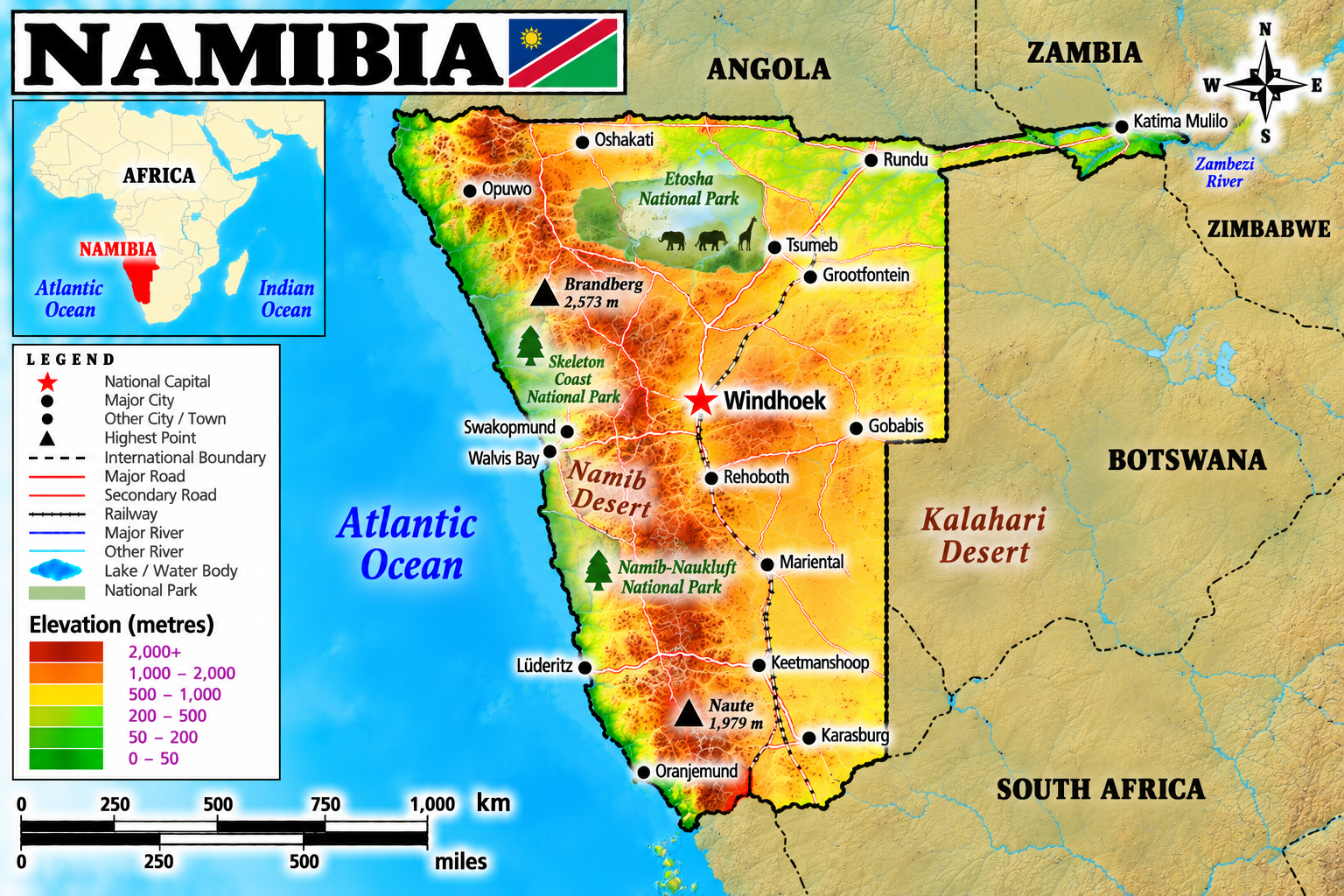
Namibia — Detailed Physical Map
The Namib and Kalahari deserts, Brandberg, Etosha and Namib-Naukluft parks, the Skeleton Coast, the Zambezi strip, major cities and the capital Windhoek
Tourist Attractions
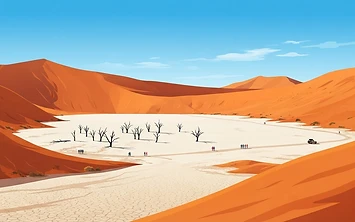
A vast salt and clay pan surrounded by some of the tallest and most iconic orange sand dunes in the world. It is a quintessential Namibian landscape defined by its stark, beautiful contrast between the desert sands and the blue sky.
Climbing the towering dunes at sunrise offers an unforgettable panoramic view of the desert.
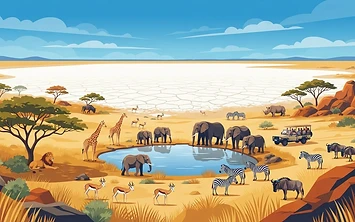
One of Africa's premier safari destinations, centered around a massive salt pan that is visible from space. During the dry season, wildlife congregates around waterholes, providing excellent opportunities to see elephants, lions, and rhinos.
The park's unique waterhole-based game viewing allows visitors to watch diverse wildlife gather in one place.

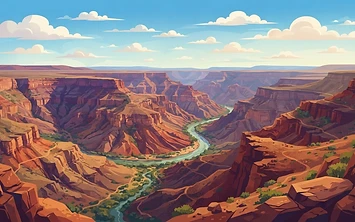
As the largest canyon in Africa and the second-largest in the world, this geological wonder features a massive ravine stretching over 160 kilometers. It offers dramatic vistas and challenging hiking trails through rugged, ancient terrain.
The sheer scale and raw, prehistoric beauty of the canyon at sunset are breathtaking.

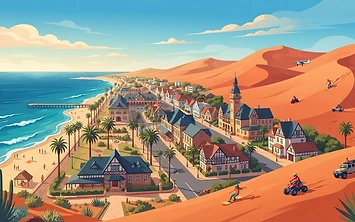
A coastal town known for its distinct German colonial architecture, palm-lined streets, and proximity to both the Atlantic Ocean and the Namib Desert. It serves as the country's adventure capital, offering activities ranging from dune boarding to scenic flights.
The unique blend of European-style architecture set against the backdrop of the harsh desert coast.

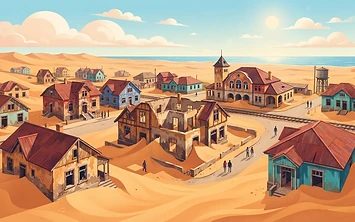
A former diamond-mining town that was abandoned in the mid-20th century and is now being slowly reclaimed by the desert sands. Visitors can explore the eerie, sand-filled remains of houses and public buildings that once thrived in the early 1900s.
Walking through the abandoned, sand-filled rooms provides a surreal and highly photogenic glimpse into the past.

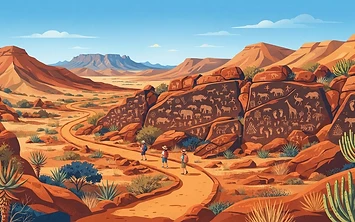
A UNESCO World Heritage site that houses one of the largest and most significant concentrations of ancient rock engravings in Africa. These petroglyphs provide a fascinating record of the lives and rituals of hunter-gatherer communities from thousands of years ago.
The site features thousands of remarkably well-preserved ancient rock carvings set in a stunning desert landscape.
Geography
Nature
Konigstein
2,606 m / 8,550 ft
8.0% of land
≈ 66,049 km² of forest
FAO / World Bank, forest area (% of land area)
Explore the Nature Atlas2,200 km1,367 mi
Forms the entire southern border between Namibia and South Africa.
1,700 km1,056 mi
Terminates in an inland delta located in Botswana.
1,050 km652 mi
Forms part of the border between Namibia and Angola.
0 km²0 sq mi · 55 m deep
Small sinkhole lake containing weapons dumped by German forces in 1915.
0 km²0 sq mi · 105 m deep
Deepest permanent natural lake in Namibia.
37 m121 ft
Series of cascades on the Kunene River near the Angolan border.
120 m394 ft
Large waterfall located on the Kunene River in northern Namibia.
River lengths are whole-river figures, including any section beyond Namibia. Researched reference figures. Tap any name for where its name comes from and a Google Maps link.
Major Cities
- 1
- 2
Kavango East
137,8312026
MapFunctions as the main administrative and commercial hub for the Kavango East region.
- 3
Erongo
116,4712026
MapHosts the country's most important deepwater port on the Atlantic coast.
- 4
Erongo
86,6592026
MapFeatures distinctive German colonial architecture and serves as a popular coastal tourist destination.
- 5
Oshana
66,0232026
MapActs as the central economic and service hub for the northern communal areas.
- 6
Otjozondjupa
56,2652026
MapSupports the agricultural sector and provides access to major wildlife conservation areas.
- 7
Otjozondjupa
52,4942026
MapContains a renowned woodcarving market and functions as a major transit junction.
- 8
Zambezi
52,4782026
MapOperates as a vital trading gateway to the Caprivi Strip and neighboring countries.
- 9
Hardap
44,4792026
MapProvides a historical center for the Baster community and sits near the Oanob Dam.
- 10
Oshana
32,6112026
MapServes as a historic commercial center for the Oshana region in northern Namibia.
- 11
Otjozondjupa
30,4022026
MapSits near the Hoba Meteorite, the largest known intact meteorite on Earth.
- 12
Kunene
21,8692026
MapActs as a gateway to the Kunene region and the traditional Himba culture.
City populations are the latest official, UN or national-statistics estimates (2026–2026) compounded to 2026 at 1.5% a year (the nation's annual population growth rate); figures without a published update come from the open cities database (2020-era estimates) and are projected the same way.
Economy
Main exports
Namibia's leading export commodities and products.
Tap any export to learn more. Spot prices in USD only for Live Data subscribers.
Main imports
Namibia's leading import commodities and products.
Tap any import to learn more.
Military
Historical Timeline
2000 BCE
Arrival of the San People
The San people, Namibia's earliest inhabitants, established their presence in the region thousands of years ago. Their hunter-gatherer lifestyle shaped the early cultural foundations of the territory.
1884
German Colonization Begins
The German Empire declared the territory a protectorate, officially naming it German South West Africa. This period initiated decades of colonial administration and settlement.
1904
Herero and Nama Genocide
German colonial forces carried out a systematic campaign of extermination against the Herero and Nama people. This atrocity is recognized as the first genocide of the 20th century.
1915
South African Military Occupation
South African forces defeated German troops during World War I and assumed military control of the territory. The League of Nations later formalized this administration via a mandate.
1966
Start of the Namibian War of Independence
The South West Africa People's Organisation (SWAPO) launched an armed struggle against South African occupation. This conflict lasted for over two decades until regional diplomatic changes occurred.
1990
Namibian Independence
Namibia officially gained independence from South Africa on March 21, 1990. Sam Nujoma was inaugurated as the nation's first president.
2005
Transition to Second President
Hifikepunye Pohamba succeeded Sam Nujoma, marking the first peaceful democratic transfer of presidential power in the nation's history.
2015
Inauguration of Hage Geingob
Hage Geingob took office as the third president of Namibia. He was the first president not to belong to the Ovambo ethnic group.
2021
Discovery of Major Oil Reserves
International energy companies announced the discovery of massive offshore oil deposits. This transformation holds the potential to significantly reshape the national economy.
2024
Death of President Hage Geingob
President Hage Geingob passed away while in office. Vice President Nangolo Mbumba was sworn in as the new president to complete the remainder of the term.
2024
Election of Netumbo Nandi-Ndaitwah
Netumbo Nandi-Ndaitwah won the national presidential election. She became Namibia's first female president-elect.
2025
Inauguration of Netumbo Nandi-Ndaitwah
Netumbo Nandi-Ndaitwah was officially sworn in as the President of Namibia. This ceremony marked the first time a woman assumed the highest office in the country.
National Anthem
Axali Doëseb
Axali Doëseb
1991
Namibia, land of the brave Freedom fight we have won Glory to their bravery Whose blood waters our freedom We give our love and loyalty Together in unity Contrasting beautiful Namibia Namibia our country Beloved land of savannahs Hold high the banner of liberty
Following Namibia's independence from South Africa in 1990, a national competition was launched to find a new anthem that would reflect the nation's struggle and aspirations. The competition received hundreds of entries from across the country. Axali Doëseb, a local musician and composer, submitted his composition and emerged as the winner. The anthem was officially adopted by the National Assembly in 1991. It serves to commemorate the lives lost during the liberation struggle and celebrates the unity of the Namibian people. The song is played at all official state functions and educational institutions to foster national pride. Since its adoption, the lyrics and melody have remained unchanged, standing as a primary symbol of post-colonial Namibian identity.
National Holidays
Commemorates the day in 1990 when Namibia gained independence from South Africa.
An internationally recognized day that celebrates the role and contributions of laborers and the working class to society.
Honors the lives of Namibians who were killed during the 1978 attack on the Cassinga refugee camp in Angola by South African forces.
Marks the anniversary of the founding of the Organization of African Unity, celebrating African unity and the continent's progress.
Commemorates the start of the armed liberation struggle for Namibian independence which began at Omugulugwombashe in 1966.
Marks the adoption of the Universal Declaration of Human Rights and also acknowledges the Windhoek uprising of 1959.
Good News Today
Three Namibian women nominated for African sports honours
Three prominent Namibian women have been officially nominated for prestigious African sports awards in recognition of their contributions to the sector. This nomination highlights the growing influence and success of Namibian female leaders in the regional sporting community.
Fun Facts
Oldest Desert In The World
The Namib Desert is estimated to be at least 55 million years old, making it the oldest desert on the entire planet.
Home To Hoba Meteorite
Namibia houses the Hoba meteorite, which is the largest known intact meteorite on Earth and weighs about 60 tons.
Skeleton Coast Shipwreck Site
The Skeleton Coast is famous for its dense concentration of shipwrecks caused by heavy fogs and dangerous currents that have claimed countless vessels.
Largest Free-Roaming Cheetah Population
Namibia is often referred to as the cheetah capital of the world because it supports the largest population of free-roaming cheetahs found anywhere.
Welwitschia Mirabilis Desert Plant
The Welwitschia is an incredibly resilient desert plant found here that can live for over 1,500 years and only has two leaves its entire life.
Towering Red Sand Dunes
The Sossusvlei area contains some of the tallest sand dunes in the world, with 'Big Daddy' reaching heights of over 300 meters.
International Dark Sky Reserve
The NamibRand Nature Reserve is one of the very few International Dark Sky Reserves in the world, offering some of the clearest stargazing conditions on Earth.
Traditional Himba Beauty Practices
The Himba people are known for applying a mixture of ochre and fat to their skin, which protects them from the harsh desert sun.
Cape Cross Seal Colony
Cape Cross is home to one of the largest breeding colonies of Cape fur seals, where tens of thousands of animals gather on the beach.
Twyfelfontein Ancient Rock Art
Twyfelfontein contains one of the largest concentrations of petroglyphs in Africa, with some rock engravings dating back over 6,000 years.
Chuckies Trivia Quiz
Chuckies Trivia Quiz
Fifteen questions on Namibia — five easy, five medium, five hard. How far can you get?
Sports & Live Events
Language
Counting to 10
1
1
= 10 (n = 0)
World Dictionary
Discover and translate any word into all supported languages.