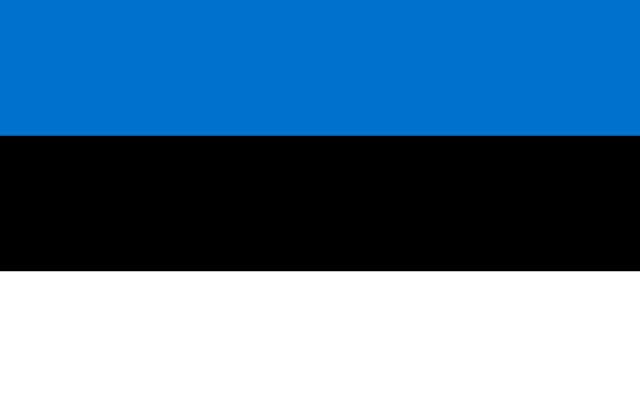

Estonia
Republic of Estonia
Europe
1,339,333
03:39 UTC+2
+372
.ee
Suur Munamagi
318 m · 1,043 ft
Baltic Sea
0 m · 0 ft
454,318
Tallinn · 2026
604,315
Tallinn · 2026
Location
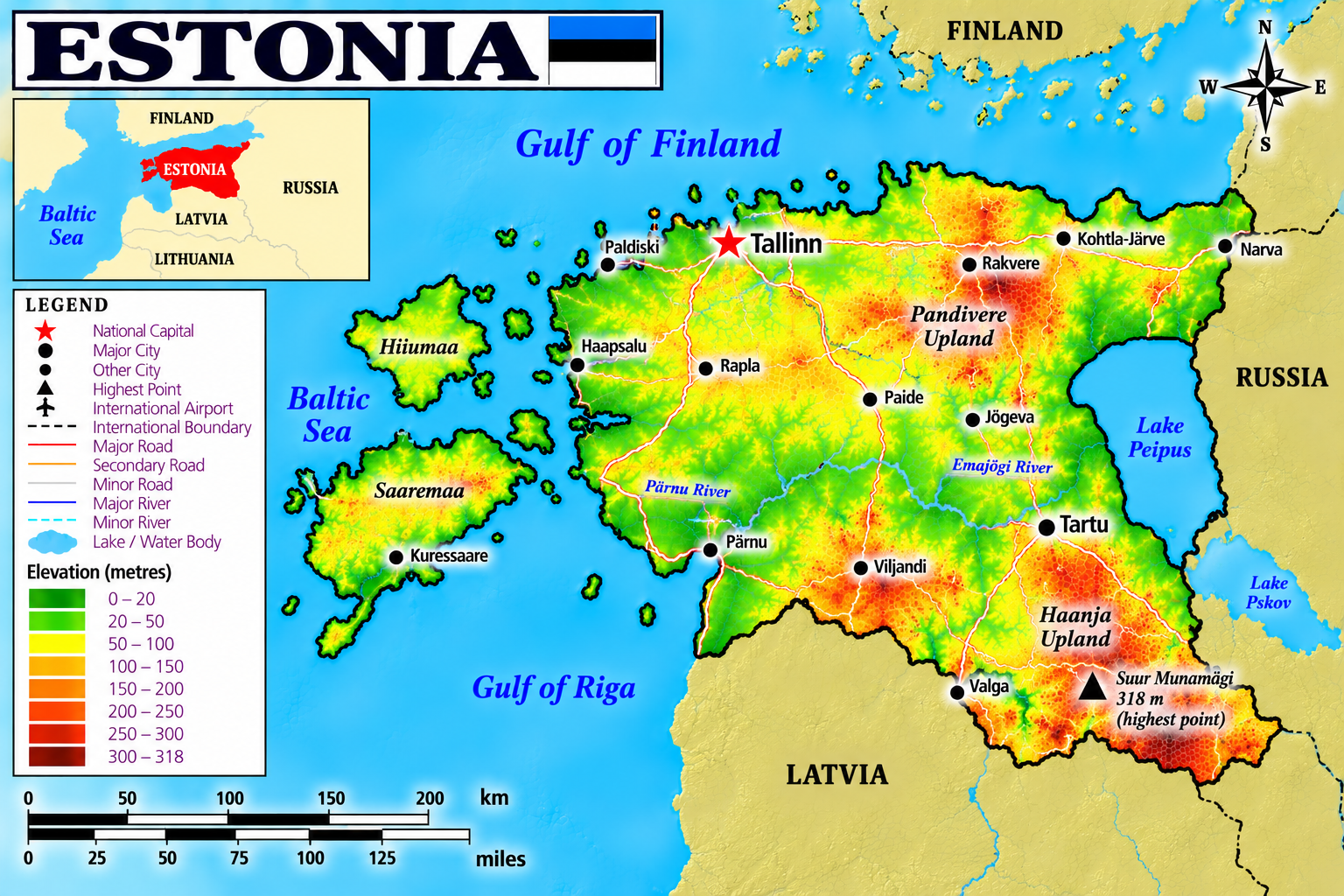
Estonia — Detailed Physical Map
Pandivere and Haanja uplands, Suur Munamägi, Lake Peipus, Saaremaa and Hiiumaa islands, major cities and the capital Tallinn
Tourist Attractions

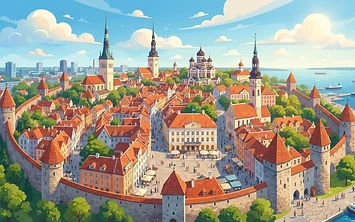
A UNESCO World Heritage site, this well-preserved medieval town features cobblestone streets, Gothic spires, and pastel-colored buildings.
It is widely considered one of the best-preserved medieval city centers in Europe.

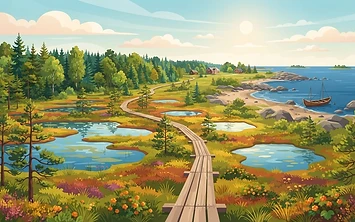
Estonia's largest national park offers a diverse landscape of forests, wetlands, bogs, and coastal areas just an hour from the capital.
It provides an accessible way to experience Estonia's pristine wilderness and unique bog ecosystems.


This monumental 14th-century fortress is one of the best-preserved medieval castles in the Baltic States and houses the Saaremaa Museum.
The castle is a rare example of authentic medieval architecture that has survived largely intact.

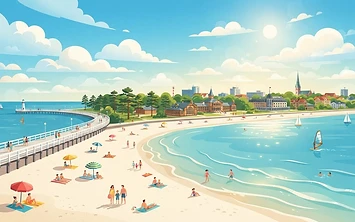
Known as Estonia's summer capital, this seaside resort town is famous for its long stretches of white sand and shallow, warm waters.
It is the premier destination in the country for a relaxing seaside holiday.

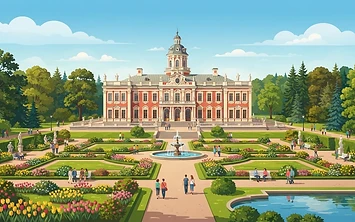
Commissioned by Peter the Great, this Baroque-style palace is surrounded by a sprawling park and now serves as the home for the Art Museum of Estonia.
The palace offers a stunning look at imperial architecture and world-class art collections.

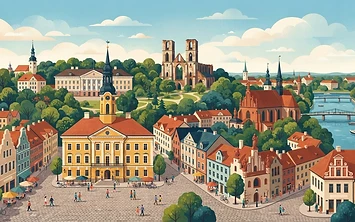
As the intellectual center of Estonia, this charming city is home to the historic University of Tartu and a vibrant bohemian atmosphere.
It is the heart of Estonian academic and cultural life, known for its youthful energy and historic charm.
Geography
Nature
Suur Munamagi
318 m / 1,043 ft
57.1% of land
≈ 25,825 km² of forest
FAO / World Bank, forest area (% of land area)
Explore the Nature Atlas144 km89 mi
The longest river entirely within the borders of Estonia.
77 km48 mi
Forms the border between Estonia and Russia while flowing into the Baltic Sea.
101 km63 mi
Connects Lake Võrtsjärv and Lake Peipus, flowing through the city of Tartu.
3,555 km²1,373 sq mi · 15 m deep
The largest transboundary lake in Europe.
270 km²104 sq mi · 6 m deep
The largest lake situated entirely within Estonian territory.
30 m98 ft
The highest waterfall in Estonia created by an artificial ditch.
8 m26 ft
Known as the widest natural waterfall in Estonia.
River lengths are whole-river figures, including any section beyond Estonia. Researched reference figures. Tap any name for where its name comes from and a Google Maps link.
Major Cities
- 1Capital
Tallinn
461,4522026
MapMedieval old town remains one of the best-preserved Hanseatic centers in Northern Europe.
- 2
Tartu
98,5732026
MapIntellectual hub of the nation, housing the historic University of Tartu founded in 1632.
- 3
Narva
52,2202026
MapStrategic border crossing point featuring the massive Hermann Castle facing the Russian Ivangorod fortress.
- 4
Pärnu
42,1272026
MapRenowned summer capital of the country famous for its expansive sandy beaches and historic wooden villas.
- 5
Kohtla-Järve
32,8662026
MapIndustrial center historically focused on the extraction and processing of oil shale.
- 6
Maardu
17,2652026
MapMajor logistics and port hub located near the capital city on the coast of Muuga Bay.
- 7
Viljandi
17,2002026
MapCultural center celebrated for its annual traditional folk music festival held near the castle ruins.
- 8
Rakvere
15,8302026
MapHome to the impressive ruins of an ancient fortress originally built by the Order of the Brothers of the Sword.
- 9
Saaremaa
13,0442026
MapHistoric settlement on Saaremaa Island featuring a remarkably well-preserved medieval episcopal castle.
- 10
Võru
12,1232026
MapGateway to the scenic hill country of southeastern Estonia, known for its unique Võro language and culture.
- 11
Sillamäe
12,1182026
MapCoastal town notable for its unique Stalinist architecture and history as a secret Soviet industrial site.
- 12
Valga
12,0352026
MapShared border town split between Estonia and Latvia, serving as a vital railway junction.
City populations are the latest official, UN or national-statistics estimates (2026–2026) compounded to 2026 at -1.43% a year (the nation's annual population growth rate); figures without a published update come from the open cities database (2020-era estimates) and are projected the same way.
Economy
Main exports
Estonia's leading export commodities and products.
Tap any export to learn more. Spot prices in USD only for Live Data subscribers.
Main imports
Estonia's leading import commodities and products.
Tap any import to learn more.
Military
Historical Timeline
8500 BCE
Arrival of the Kunda Culture
The first human settlements in Estonia were established by hunter-gatherers of the Kunda culture following the retreat of the glaciers. These Paleo-European populations are considered the ancestors of the later Finno-Ugric peoples inhabiting the region.
1219
Danish Conquest of Northern Estonia
The Danish army led by King Valdemar II defeated the Estonians at the Battle of Lyndanisse, leading to Danish rule over northern Estonia. This marked the beginning of a centuries-long period of foreign domination by various powers.
1558
Start of the Livonian War
The Livonian War began as a conflict involving the Tsardom of Russia against the Livonian Confederation and its allies. The war resulted in the collapse of the medieval Livonian state and the partitioning of its territories.
1918
Declaration of Estonian Independence
Estonia declared itself an independent, democratic republic on February 24, 1918. This sovereignty was subsequently secured following a successful War of Independence against Soviet and German forces.
1940
Soviet Occupation of Estonia
The Soviet Union occupied and later annexed Estonia as part of the Molotov-Ribbentrop Pact's secret protocols. This led to decades of mass deportations, political repression, and the suppression of national identity.
1991
Restoration of Independence
Estonia restored its state sovereignty on August 20, 1991, during the collapse of the Soviet Union. This action marked the end of fifty years of occupation and the beginning of democratic reforms.
2004
Accession to NATO and EU
Estonia became a full member of both NATO and the European Union in 2004. These memberships solidified the nation's political, economic, and security integration into the Western democratic sphere.
2011
Adoption of the Euro
Estonia officially replaced the Estonian kroon with the euro on January 1, 2011. This move finalized the country's economic integration into the European monetary union.
2016
Election of First Female President
Kersti Kaljulaid was elected by the Riigikogu as the first female President of Estonia. Her presidency marked a historic milestone for gender representation in the nation's highest office.
2021
Kaja Kallas Becomes First Female Prime Minister
Kaja Kallas was appointed as the first female Prime Minister of Estonia. Her leadership focused on strengthening national defense and deepening European cooperation.
2024
Estonia Joins the Nordic Council
Estonia's continued integration into Nordic political structures was bolstered by closer alignment and deeper formal cooperation with the Nordic Council. This reflected the country's long-standing geopolitical and cultural focus on the Nordic region.
2025
Significant National Defense Expansion
The Estonian government enacted a major expansion of its defensive capabilities in response to the regional security climate. This milestone reflects the continued priority of national sovereignty and collective defense.
National Anthem
Mu isamaa, mu õnn ja rõõm
Johann Voldemar Jannsen
Fredrik Pacius
1920
Mu isamaa, mu õnn ja rõõm, kui kaunis oled sa! Ei leia mina iial teal see suure, laia ilma peal, mis mul nii armas oleks ka, kui sa, mu isamaa! Su üle Jumal valvaku, mu armas isamaa! Ta olgu sinu kaitseja ja võtku rohkest õnnista, mis iial ette võtad sa, mu kallis isamaa!
The anthem was written in 1869 by Johann Voldemar Jannsen for the first Estonian Song Festival. The melody was composed by the German-Finnish composer Fredrik Pacius in 1848, which is shared with the Finnish national anthem, Maamme. It was officially adopted as the national anthem of Estonia in 1920 following the Estonian War of Independence. During the Soviet occupation of Estonia, the song was strictly forbidden and performing it was considered a criminal act. The melody continued to be played by Estonian radio stations broadcasting from abroad, keeping the national sentiment alive. It was reinstated as the official anthem in 1990 during the restoration of Estonian independence. Today, it stands as a powerful symbol of Estonian identity and resilience.
National Holidays
This holiday marks the beginning of the Gregorian calendar year.
This day commemorates the declaration of independence of the Republic of Estonia in 1918.
A Christian holiday commemorating the crucifixion of Jesus and his death at Calvary.
This day commemorates the victory of Estonian forces over the Baltic Landwehr in the Battle of Võnnu in 1919.
A traditional celebration of the summer solstice, involving bonfires and various folk traditions.
This day marks the restoration of Estonia's independence from the Soviet Union in 1991.
Good News Today
Estonia receives final payment of €190.6 million under NextGenerationEU
The European Commission has approved Estonia's final payment request for its recovery and resilience plan. This funding supports the country's ongoing economic development and digital transformation initiatives.
Fun Facts
Half The Land Is Forest
Estonia is one of the greenest countries in Europe, with over 50 percent of its landmass covered by forests.
Birthplace Of Modern Digital Nation
Estonia was the first country in the world to introduce e-Residency, allowing anyone globally to establish and run an EU-based business online.
The Singing Revolution Tradition
Estonia's historical independence movement is known as the Singing Revolution because citizens gathered to sing banned national songs together.
World Record In Swings
Estonians invented a sport called Kiiking, where athletes strap themselves into a giant swing to attempt a full 360-degree rotation.
Highest Number Of Startups
Estonia has the highest number of startups per capita in Europe, helping produce major companies like Skype.
Medieval Capital Preservation
The capital city, Tallinn, boasts one of the best-preserved medieval town centers in all of Northern Europe.
Free Public Transit Access
Tallinn was the first European capital city to provide free public transportation to all of its registered residents.
Wi-Fi Is A Human Right
Internet access is considered a fundamental right in Estonia, and high-speed Wi-Fi is available for free in most public spaces.
Unique Fermented Milk Drink
Kama is a traditional Estonian food made from a mixture of roasted barley, rye, oat, and pea flour, usually consumed with buttermilk.
More Than Two Thousand Islands
Estonia encompasses a vast territory of over 2,200 islands scattered across the Baltic Sea.
Chuckies Trivia Quiz
Chuckies Trivia Quiz
Fifteen questions on Estonia — five easy, five medium, five hard. How far can you get?
Sports & Live Events
Language
Counting to 10
1
1
= 10 (n = 0)
World Dictionary
Discover and translate any word into all supported languages.