
Barbados
North America
283,012
14:17 UTC-4
+1246
.bb
Mount Hillaby
336 m · 1,102 ft
Atlantic Ocean
0 m · 0 ft
110,523
Bridgetown · 2026
110,523
Bridgetown · 2026
Location
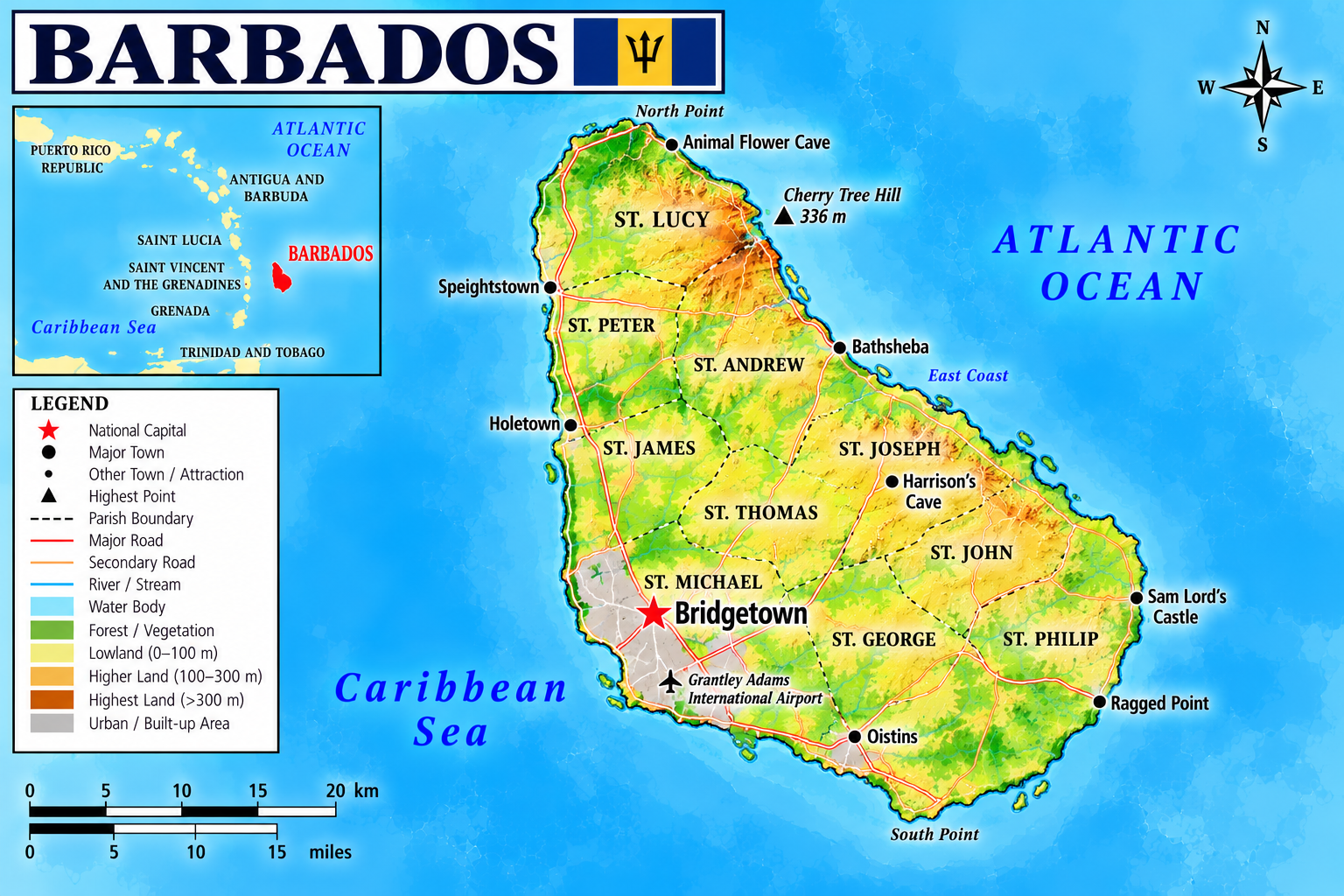
Barbados — Detailed Physical Map
Island terrain, parishes, towns, beaches, roads and the capital Bridgetown
Tourist Attractions
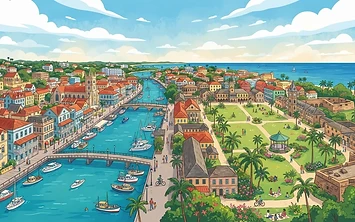
This UNESCO World Heritage site encompasses the capital city and its historic military district, featuring over 100 protected buildings from the 17th to 19th centuries. It serves as a prime example of British colonial architecture and urban planning in the Caribbean.
Stroll through the Garrison area to see the impressive Main Guard and historic military structures.
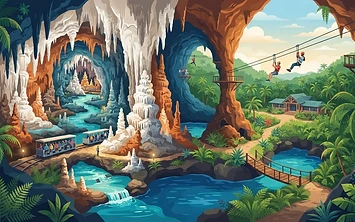
A massive, crystallized limestone cavern featuring flowing streams, deep pools, and towering stalactites and stalagmites. The site has been developed into an eco-adventure park offering tram tours and outdoor activities like ziplining.
Take the tram tour deep underground to witness the cave's dramatic natural rock formations.

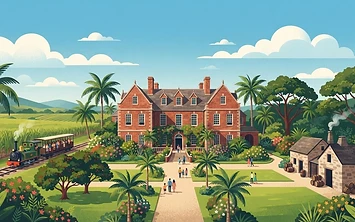
One of the oldest surviving plantation houses in the Caribbean, this 17th-century Jacobean mansion is surrounded by lush grounds. The site now operates as a heritage museum, rum distillery, and features a scenic heritage railway.
Tour the beautifully preserved great house and sample rum produced on the historic estate.

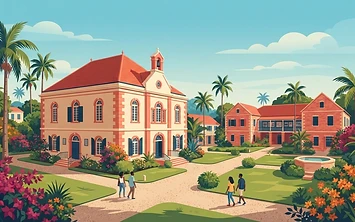
Built in 1654, this is one of the oldest consecrated synagogues in the Western Hemisphere. The site includes an interactive museum and an original mikvah, offering deep insight into the Jewish history of Barbados.
Explore the historic synagogue and the modern, awe-inspiring museum located on the same grounds.

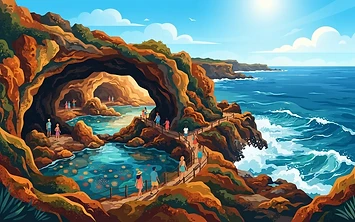
Located at the northernmost tip of the island, this sea cave is famous for its natural rock formations and tidal pools. Visitors can explore the cave chambers and enjoy panoramic views of the Atlantic Ocean.
Take a refreshing dip in the cave's natural tidal pools while looking out at the crashing waves.

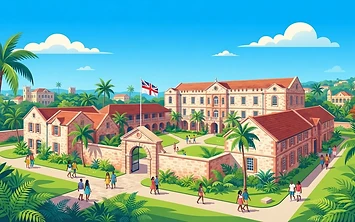
Housed in a former 19th-century British military prison, this museum provides a comprehensive look at the island's history, culture, and natural environment. Its extensive collections range from pre-colonial artifacts to colonial-era exhibits.
Discover the island's rich heritage through the diverse and well-curated historical displays.
Geography
Nature
Mount Hillaby
336 m / 1,102 ft
14.7% of land
≈ 65 km² of forest
FAO / World Bank, forest area (% of land area)
Explore the Nature AtlasMajor Cities
- 1Capital
Saint Michael
72,8072026
MapServes as the vibrant capital of Barbados and a UNESCO World Heritage site featuring colonial architecture and historic military fortifications.
City populations are the latest official, UN or national-statistics estimates (2026–2026) compounded to 2026 at 0.1% a year (the nation's annual population growth rate); figures without a published update come from the open cities database (2020-era estimates) and are projected the same way.
Economy
Main exports
Barbados's leading export commodities and products.
Tap any export to learn more. Spot prices in USD only for Live Data subscribers.
Main imports
Barbados's leading import commodities and products.
Tap any import to learn more.
Military
Historical Timeline
1600
Arrival of the Saladoid People
The earliest known inhabitants of Barbados, the Saladoid people, arrived on the island around this time. They established small agricultural settlements before the island was largely abandoned or visited only periodically prior to European contact.
1627
Establishment of English Settlement
The ship William and John arrived at Holetown, marking the beginning of permanent English colonization. This event established Barbados as a British colony and initiated the displacement of indigenous populations.
1640
Transition to Sugar Cane Agriculture
Barbados shifted its economy to sugar cane production, leading to the rapid expansion of the plantation system. This transformation caused a massive increase in the forced migration of enslaved Africans.
1834
Abolition of Slavery
The Slavery Abolition Act came into effect throughout the British Empire, ending legal enslavement in Barbados. This was followed by a mandatory apprenticeship period before full emancipation was realized.
1937
The 1937 Labour Riots
Widespread civil unrest broke out across the island due to harsh economic conditions and lack of political representation. The protests served as a catalyst for the labor movement and modern political organization.
1961
Achievement of Full Internal Self-Government
Barbados attained full internal self-government, allowing the local parliament to exercise significant authority over domestic affairs. Errol Barrow became the first Premier of Barbados under this new system.
1966
Independence from the United Kingdom
Barbados officially gained independence from Britain on November 30. Errol Barrow served as the nation's first Prime Minister, overseeing the transition to a sovereign state.
2018
Mia Mottley Elected First Female Prime Minister
Mia Mottley led the Barbados Labour Party to a historic landslide victory in the general election. This result made her the first woman to serve as the Prime Minister of Barbados.
2021
Transition to a Republic
Barbados officially replaced the British monarch as head of state and became a republic. Dame Sandra Mason was inaugurated as the first President of Barbados.
2022
Second Consecutive Clean Sweep Election Victory
Prime Minister Mia Mottley's Barbados Labour Party secured a second consecutive 30-0 seat victory in the general election. This unprecedented result solidified the party's dominance in the national parliament.
2024
Expansion of Global Climate Finance Leadership
Barbados continued its role as a leading voice in global climate finance reform under the Bridgetown Initiative. The government successfully lobbied international financial institutions to restructure debt relief for climate-vulnerable nations.
2025
National Economic and Infrastructure Development
The government focused on major infrastructure projects and sustained efforts to diversify the economy beyond traditional tourism. These initiatives marked significant progress in the nation's strategic development goals as of 2025.
National Anthem
Irving Burgie
C. Van Roland Edwards
1966
In plenty and in time of need When this fair land was young Our brave forefathers sowed the seed From which our pride is sprung We loyal sons and daughters all Do hereby make it known These fields and hills beyond recall Are now our very own We write our names on history's page With expectations great Strict guardians of our heritage Firm craftsmen of our fate
In Plenty and In Time of Need was written by Irving Burgie, an American of Barbadian descent, and composed by C. Van Roland Edwards. The anthem was selected following a competition held to choose a song for the nation's upcoming independence from the United Kingdom. It was officially adopted on November 30, 1966, the same day Barbados gained its independence. The song reflects the history of the island's ancestors and the aspirations of its newly independent citizens. While there have been minor suggestions for change over the years, the lyrics remain the same as when they were first adopted. It serves as a central symbol of Barbadian identity and is performed at all major national and state events.
National Holidays
This day commemorates the birthday of Errol Walton Barrow, the first Prime Minister of Barbados and a national hero recognized for his contribution to the nation's independence.
This holiday honors the individuals who have been named National Heroes of Barbados for their significant contributions to the development of the country.
A public holiday dedicated to celebrating the achievements of the labour movement and the contributions of workers to society.
This day marks the anniversary of the 1834 Slavery Abolition Act, which ended slavery in Barbados and other British colonies.
This national holiday marks the anniversary of Barbados gaining full political independence from the United Kingdom in 1966.
Good News Today
Barbados eliminates mother-to-child transmission of HIV
The World Health Organization has officially certified Barbados for eliminating mother-to-child transmission of HIV as a public health problem. This milestone was achieved after three years of reporting zero new HIV infections among infants born to mothers living with the virus.
Fun Facts
Birthplace Of Rum
Barbados is home to the Mount Gay Rum distillery, which is officially the oldest rum producer in the world, dating back to 1703.
Concorde Museum Treasure
The Barbados Concorde Experience houses one of the few retired British Airways Concorde jets, which frequently flew between London and Bridgetown.
Named For Bearded Trees
The country’s name derives from the Portuguese term 'Os Barbados', referring to the bearded fig trees that were once abundant across the island.
Cricket Legend Sir Garfield Sobers
The island is the birthplace of Sir Garfield Sobers, widely considered the greatest all-rounder in the history of international cricket.
Flying Fish Capital
The flying fish is the national dish of Barbados and is a cultural icon, frequently depicted on local currency and decorative art.
Underground Crystal Wonders
Harrison's Cave is a massive limestone cavern system featuring crystallised stalactites and stalagmites alongside flowing subterranean streams and pools.
Little England Roots
Due to its long history as a British colony, Barbados is often called 'Little England' and maintains traditions like afternoon tea and a love for cricket.
Crop Over Festival History
The annual Crop Over festival began in the 1780s as a celebration to mark the end of the successful sugar cane harvest.
Hawksbill Turtle Haven
The island is one of the most important nesting sites in the Caribbean for the critically endangered hawksbill sea turtle.
Historic Bridgetown Architecture
Bridgetown and its Garrison are a UNESCO World Heritage site, featuring some of the best-preserved 17th to 19th-century colonial military architecture in the region.
Chuckies Trivia Quiz
Chuckies Trivia Quiz
Fifteen questions on Barbados — five easy, five medium, five hard. How far can you get?
Sports & Live Events
Language
Counting to 10
1
1
= 10 (n = 0)
World Dictionary
Discover and translate any word into all supported languages.