
Timor-Leste
Democratic Republic of Timor-Leste
Asia
1,447,853
12:14 UTC+9
+670
.tl
Tatamailau
2,963 m · 9,721 ft
Timor Sea
0 m · 0 ft
262,027
Dili · 2026
262,027
Dili · 2026
Location
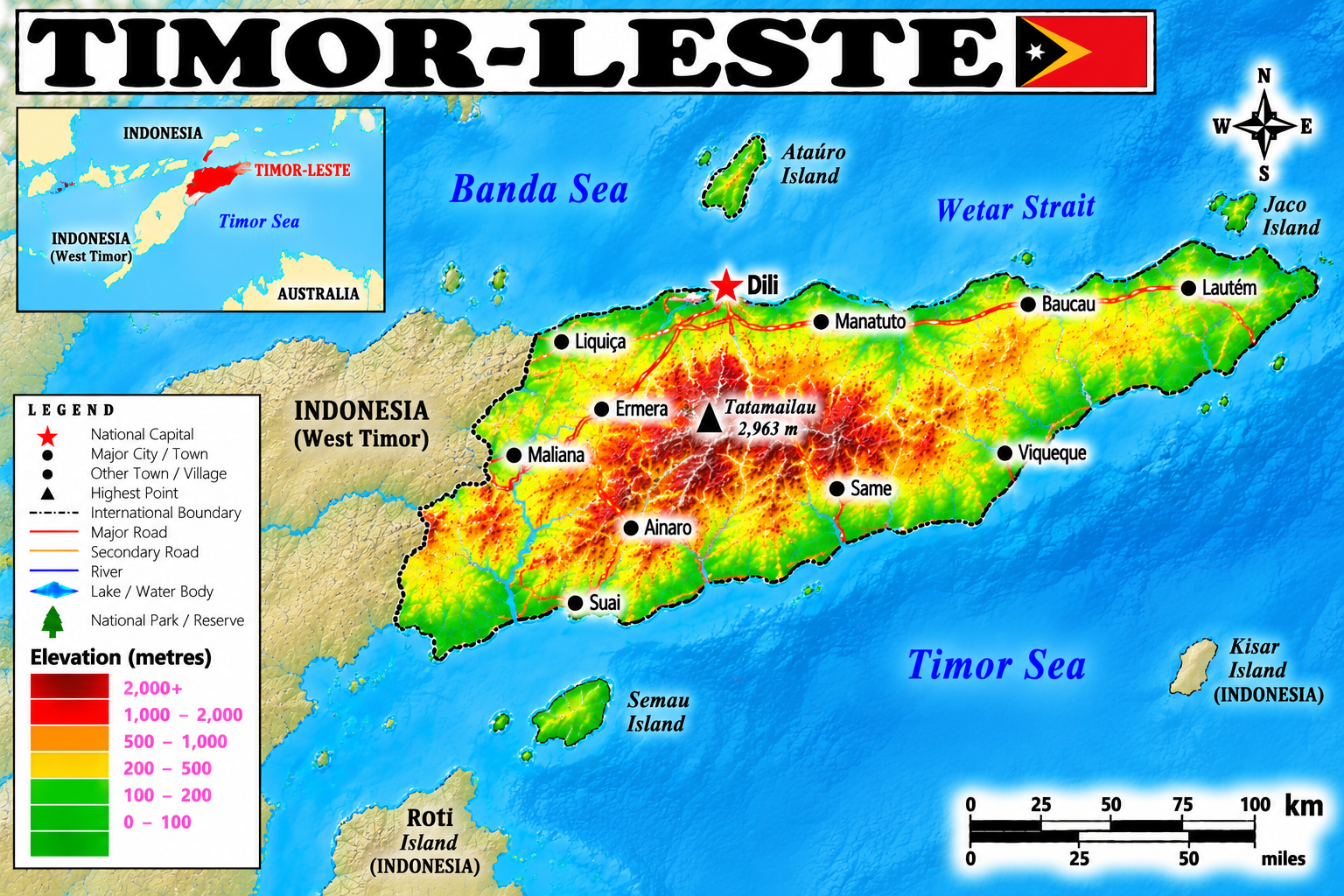
Timor-Leste — Detailed Physical Map
Tatamailau, Atauro and Jaco islands, Dili and the north coast, the Timor and Banda seas, major towns and the capital Dili
Tourist Attractions

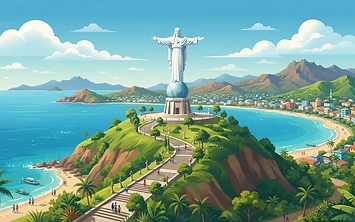
Standing 27 metres high atop a hill overlooking the Bay of Dili, this iconic statue is a symbol of the city's identity. Visitors reach the monument by climbing over 500 scenic steps lined with the Stations of the Cross.
The panoramic views of the coastline at sunset are spectacular.

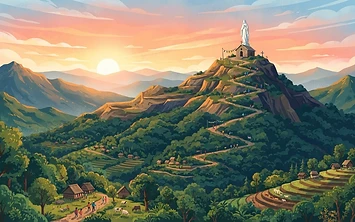
As the highest peak in Timor-Leste at 2,963 metres, this mountain is a sacred site featuring a statue of the Virgin Mary at its summit. It is a popular destination for sunrise treks through cloud forests and highland villages.
The breathtaking sunrise view from the summit above the clouds is an unforgettable experience.

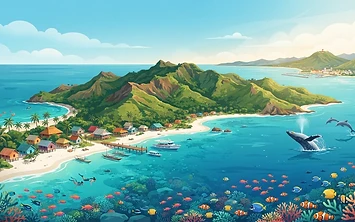
Located just off the coast of Dili, this island is renowned for having some of the greatest reef fish diversity on Earth. It offers world-class diving, snorkeling, and whale watching in a relaxed, natural setting.
The island's vibrant coral walls and rich marine life are a must-see for underwater enthusiasts.

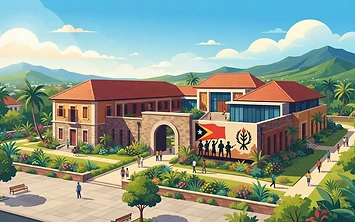
This museum provides a powerful and essential look at Timor-Leste's 24-year struggle for independence. It features historical photographs, personal stories, and artifacts that honor the resilience of the Timorese people.
It offers a deep and meaningful understanding of the nation's journey to freedom.

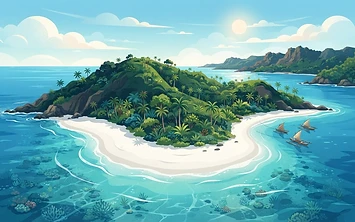
A sacred, uninhabited tropical paradise located at the eastern tip of the country within the Nino Konis Santana National Park. It is famous for its pristine white sand beaches and crystal-clear waters.
The island's untouched beauty and status as a sacred site make it a unique, tranquil escape.

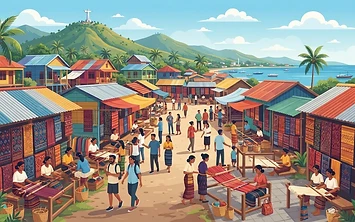
This vibrant market is the premier place to experience traditional Timorese culture through its famous handwoven textiles known as tais. Visitors can meet local artisans and learn about the cultural storytelling embedded in the fabrics.
It is the best place to support local craftsmanship and purchase authentic, handmade souvenirs.
Geography
Nature
Tatamailau
2,963 m / 9,721 ft
46.0% of land
≈ 6,842 km² of forest
FAO / World Bank, forest area (% of land area)
Explore the Nature Atlas150 km93 mi
Flows northwards into the Savu Sea and represents the longest river in the nation.
80 km50 mi
Originates in the central highlands and empties into the Wetar Strait.
50 km31 mi
Located in the eastern part of the country near the town of Baucau.
55 km²21 sq mi · 12 m deep
Located within the Nino Konis Santana National Park and is the largest lake.
—
A popular natural destination found in the Ainaro administrative post.
River lengths are whole-river figures, including any section beyond Timor-Leste. Researched reference figures. Tap any name for where its name comes from and a Google Maps link.
Major Cities
- 1Capital
Díli
281,7502026
MapServes as the nation's capital and primary commercial hub located along the northern coast of Timor island.
- 2
Baucau
20,2032026
MapFeatures a historic old town with Portuguese colonial architecture and serves as a regional educational center.
- 3
Oé-Cusse Ambeno
17,1292026
MapFunctions as the capital of the Oecusse enclave, a region noted for being the historical landing site of Portuguese explorers.
- 4
Ermera
15,3242026
MapActs as the administrative seat of the Ermera district, a region famous for high-quality Arabica coffee production.
- 5
Bobonaro
13,2472026
MapFunctions as a significant agricultural center known for extensive rice paddies in the Bobonaro district.
- 6
Kovalima
11,6472026
MapHosts critical oil and gas industry infrastructure supporting the nation's emerging petroleum sector.
- 7
Manufahi
7,1122026
MapServes as the capital of Manufahi and is known for its rugged mountain terrain and diverse agricultural output.
- 8
Manatuto
5,3052026
MapStands as a coastal town renowned for its traditional pottery production and proximity to scenic beaches.
- 9
Ainaro
4,7052026
MapNestled in the highlands, this region is recognized for its cool climate and productive organic vegetable farming.
- 10
Likisá
4,2782026
MapOffers stunning coastal views and serves as a major gateway to the scenic western regions of the country.
- 11
Viqueque
3,6202026
MapRepresents the most populous municipality in the south, historically significant for its role in local resistance movements.
- 12
Aileu
3,1272026
MapProvides a cool mountainous retreat located south of the capital, known for sustainable community development initiatives.
City populations are the latest official, UN or national-statistics estimates (2026–2026) compounded to 2026 at 1.5% a year (the nation's annual population growth rate); figures without a published update come from the open cities database (2020-era estimates) and are projected the same way.
Economy
Main exports
Timor-Leste's leading export commodities and products.
Tap any export to learn more. Spot prices in USD only for Live Data subscribers.
Main imports
Timor-Leste's leading import commodities and products.
Tap any import to learn more.
Military
Historical Timeline
40000 BCE
Arrival of First Austronesian and Papuan Peoples
Archaeological evidence suggests human occupation of Timor began at least 40,000 years ago, likely by ancestral populations arriving from the surrounding islands. These early settlers established the foundations of the diverse cultural and linguistic groups found on the island today.
1515
Portuguese Colonization Begins
Portuguese explorers and traders arrived in Timor, seeking the valuable sandalwood resources of the island. This marked the beginning of centuries of colonial influence that shaped the territory's modern administrative boundaries.
1975
Unilateral Declaration of Independence
Fretilin declared East Timor's independence from Portugal on November 28, following the collapse of the Portuguese colonial regime. This state of sovereignty was short-lived as Indonesian forces invaded the territory nine days later.
1975
Indonesian Military Invasion
Indonesian forces launched a full-scale invasion of East Timor, leading to a long and brutal occupation. This period was characterized by widespread conflict, human rights abuses, and a protracted armed resistance movement.
1991
Santa Cruz Massacre
Indonesian troops opened fire on a peaceful memorial procession in Dili, resulting in hundreds of civilian deaths. The event was captured on film and drew international attention to the plight of the East Timorese people.
1999
UN-Sponsored Referendum for Independence
Under a United Nations-supervised referendum, an overwhelming majority of East Timorese voted for independence from Indonesia. The result triggered a wave of violence by pro-Indonesian militias, necessitating international intervention.
2002
Official Restoration of Independence
Timor-Leste was officially recognized as a sovereign nation on May 20, becoming the first new nation of the 21st century. Xanana Gusmão was inaugurated as the first president of the Democratic Republic of Timor-Leste.
2006
Internal Political and Military Crisis
A split within the defense forces led to widespread civil unrest, violence, and the displacement of over 150,000 people. The crisis forced the government to request an international stabilization force to restore order.
2018
Maritime Boundary Treaty with Australia
Timor-Leste and Australia signed a historic treaty establishing permanent maritime boundaries in the Timor Sea. This agreement provided the legal framework for the long-term development of the Greater Sunrise gas fields.
2022
Election of José Ramos-Horta
Nobel laureate José Ramos-Horta was elected as the President of Timor-Leste for his second term. His victory marked a significant moment in the nation's democratic consolidation.
2023
Parliamentary Election and Coalition Formation
The CNRT party won the parliamentary elections, leading to the appointment of Xanana Gusmão as Prime Minister. This shift in leadership marked a major political transition for the country.
2025
Papal Visit of Pope Francis
Pope Francis visited Timor-Leste in September 2025, drawing hundreds of thousands of citizens to an open-air mass in Dili. The visit served as a significant symbolic moment for the nation's majority-Catholic population.
National Anthem
Pátria
Francisco Borja da Costa
Afonso de Araujo
2002
Pátria, Pátria, Timor-Leste, nossa Pátria. Nação de povo maubere, povo bravo, Lutando contra o imperialismo. O povo maubere, Timor Lorosa'e, Nossa Pátria, o povo, e os objetivos De libertar o povo e a Pátria. Desprezamos o colonialismo eterno, E gritamos: Abaixo o imperialismo! Terra livre, povo livre, Não, não, não à exploração.
Pátria was originally composed in 1975 during the brief period of independence following the withdrawal of Portuguese colonial administration. The lyrics were penned by Francisco Borja da Costa, a prominent nationalist who was killed shortly after the Indonesian invasion. The music was composed by Afonso de Araujo, who was also a key figure in the resistance movement. It served as the de facto anthem of the resistance throughout the years of Indonesian occupation. Upon the formal restoration of independence on May 20, 2002, the song was officially adopted as the national anthem of the Democratic Republic of Timor-Leste. It remains a powerful symbol of the nation's struggle for sovereignty and its identity as the Maubere people.
National Holidays
Commemorates the day in 2002 when Timor-Leste officially regained its independence.
Marks the anniversary of the 1999 referendum in which the Timorese people voted for independence.
Commemorates the unilateral declaration of independence from Portugal in 1975.
Commemorates the 1975 Indonesian invasion and honors the memory of those who fought in the resistance.
Good News Today
Timor-Leste Advances in Unprecedented Plans Against Natural Disasters
The government of Timor-Leste has launched its first national strategy for disaster risk reduction with support from the United Nations. This initiative marks a significant shift from reactive emergency response to proactive prevention and preparedness to protect vulnerable communities.
Fun Facts
A World-Class Diving Haven
The waters surrounding Timor-Leste are part of the Coral Triangle, home to the highest marine biodiversity on the planet with over 500 species of reef-building coral.
Renowned Organic Coffee Producers
The country is famous for its high-quality organic coffee, which is shade-grown in the high altitudes of the central mountains without the use of chemical fertilizers.
Sacred Crocodiles Are Revered
Local folklore tells the story of a boy who befriended a crocodile that eventually transformed into the island of Timor, leading the animals to be treated with deep religious respect.
The Tallest Mountain Peak
Mount Tatamailau stands at 2,963 meters and serves as the highest point in the country, attracting hikers who climb to the summit to see the statue of the Virgin Mary.
Traditional Houses Symbolize Ancestry
The Uma Lulik, or sacred houses, are built on stilts with intricate, symbolic designs that serve as the spiritual centers for local clans and ancestral worship.
Intricate Tais Textile Weaving
Tais weaving is an essential cultural art form in Timor-Leste, where women create complex, colorful tapestries that tell stories of individual village identity and social status.
One of Asia's Youngest Nations
Timor-Leste gained full international recognition as an independent state in 2002, making it the first new sovereign nation of the 21st century.
The Pristine Atauro Island
Atauro Island is consistently ranked among the best places on Earth for reef fish diversity, offering a unique opportunity to see rare marine life just off the coast.
Unique Cultural Musical Traditions
Music remains a pillar of Timorese life, characterized by the use of traditional bamboo instruments and group vocal performances that accompany rituals and community celebrations.
Diverse Island Species Diversity
Due to its geographic isolation, Timor-Leste hosts a variety of endemic species, including several distinct bird and reptile populations not found anywhere else in the world.
Chuckies Trivia Quiz
Chuckies Trivia Quiz
Fifteen questions on Timor-Leste — five easy, five medium, five hard. How far can you get?
Sports & Live Events
Language
Counting to 10
1
1
= 10 (n = 0)
World Dictionary
Discover and translate any word into all supported languages.